Why Your Scale Isn’t Moving in Perimenopause — Even When Your Body Is Changing
If your clothes fit differently but the number on the scale looks weirdly the same, here’s what may actually be happening in perimenopause — and what to focus on instead.
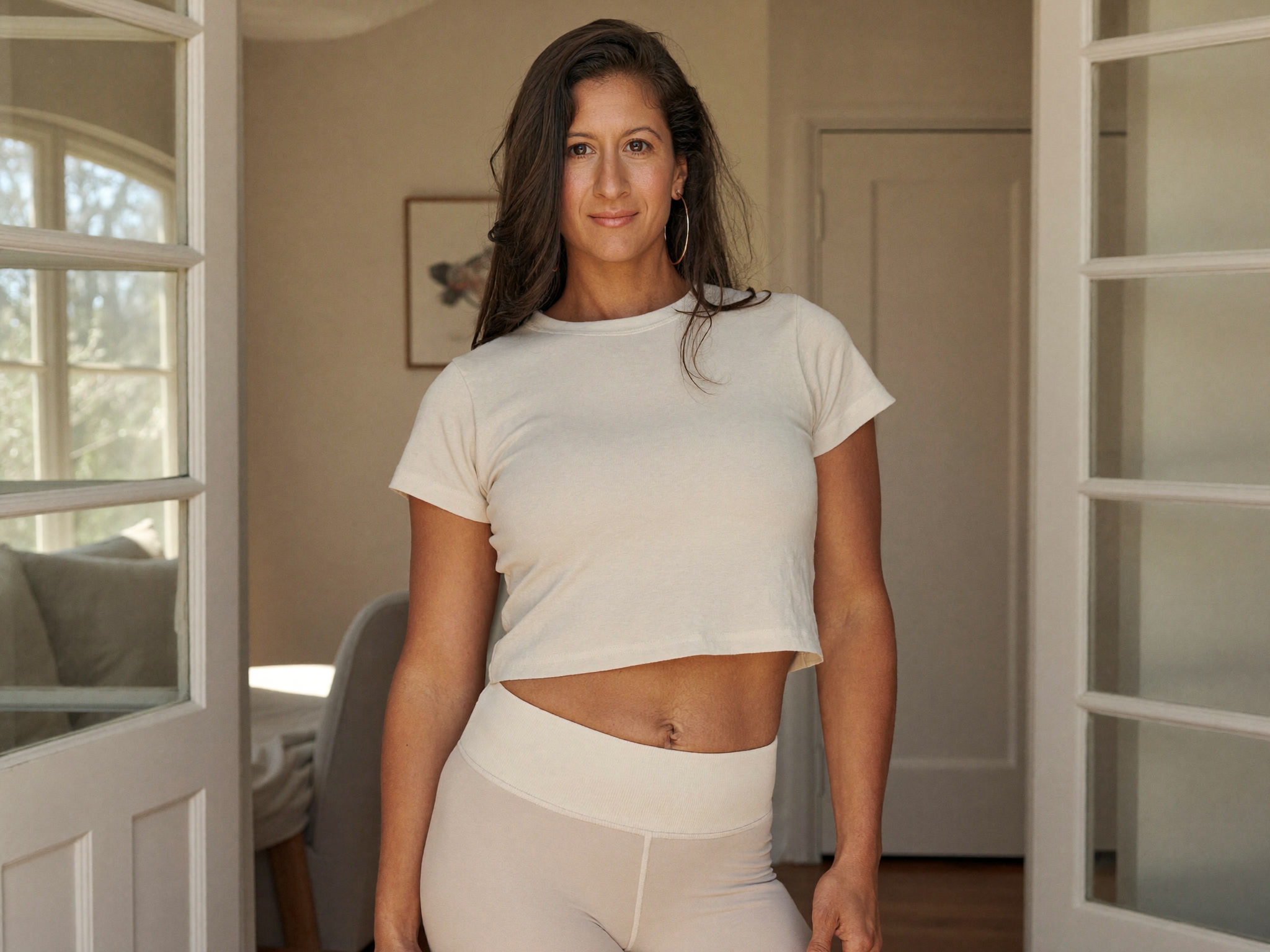
If you’ve been feeling like your body is changing but the scale isn’t really showing it, you are not imagining things.
This is one of the most confusing parts of perimenopause for so many women: your waist feels softer, your body composition seems different, your favorite jeans fit differently — and yet your body weight may not have changed much at all.
That disconnect can make you feel like you’re doing something wrong. But often, you’re not. You’re just using one tool — the scale — to measure something it was never designed to explain very well.
The scale only tells you total weight
The number on the scale is just that: total body weight.
It does not tell you:
- how much of that weight is muscle
- how much is body fat
- where fat is being stored
- how hydrated you are
- whether inflammation, stress, sleep, or your cycle are affecting the number that day
And that matters, especially in perimenopause and menopause.
Research suggests that the menopause transition is associated with increases in total body fat, even though it does not have a clear effect on body weight itself. In plain English: your body composition can change even when the scale doesn’t move much.
That’s a big reason why so many women say, “I weigh the same, but I don’t feel the same in my body.”
Why body composition can shift in this season
Hormonal changes during the menopause transition can influence where your body stores fat and how easy it feels to maintain muscle.
At the same time, real life is usually piling on too:
- less consistent sleep
- more stress
- lower recovery capacity
- less spontaneous movement during busy seasons
- not enough protein
- not enough strength training to maintain lean muscle
None of this means your metabolism is “broken.” It means your body may need a more supportive strategy than the one that worked at 28.
The goal is not just lower weight — it’s a stronger, more resilient body
This is where I always want women to zoom out.
If your only marker of progress is scale weight, you can miss really important wins:
- building or preserving muscle
- improving strength
- stabilizing energy
- reducing the all-day snacky feeling
- improving recovery
- feeling firmer, stronger, and more capable
- having clothes fit better, even before the scale changes
Muscle matters so much here. It supports metabolism, strength, blood sugar stability, and long-term health. And preserving lean muscle becomes even more important as hormones shift.
What to track instead of only chasing scale loss
You do not need to obsess over data. But you do need better data than one random morning weigh-in.
A few useful things to track:
1. Waist measurements
Changes through the midsection are often what women notice first. A simple waist measurement every few weeks can tell you more than daily scale fluctuations.
2. How your clothes fit
This sounds basic, but it’s incredibly helpful. Pick one pair of jeans or pants and pay attention to how they fit over time.
3. Strength in the gym
Are you lifting heavier? Doing more reps? Feeling more stable and capable? That is progress.
4. Energy and hunger
Are you less ravenous at night? More steady through the afternoon? Recovering better? Those are meaningful signs that your habits are working.
5. Progress photos
Not everyone loves these, and that’s okay. But taken occasionally, they can show body-composition changes the scale completely misses.
What to focus on if your body feels different
You do not need a more extreme plan. Usually, you need a more strategic one.
Prioritize protein at meals
Protein is your anchor.
Aim for about 25 to 30 grams per meal when you can. This helps support lean muscle, fullness, recovery, and a steadier appetite across the day.
Strength train consistently
If you’re in perimenopause, strength training is not optional background work. It is one of the most valuable things you can do for body composition, strength, bone health, and long-term resilience.
You do not need fancy workouts. You need consistency with basic movement patterns: squats, hinges, pushes, pulls, carries, and core work.
Don’t slash calories too hard
Undereating often backfires. It can make energy, sleep, cravings, recovery, and muscle retention worse.
If your body already feels stressed, more stress usually isn’t the answer.
Support sleep and stress like they matter — because they do
Poor sleep and constant stress can make hunger feel louder, workouts feel harder, and recovery feel slower. This doesn’t mean you need a perfect routine. It means the basics count.
A consistent bedtime, morning light, regular meals, and realistic workouts go a long way.
The biggest mindset shift
If your body is changing in perimenopause, the answer is not to panic and punish it.
The answer is to understand what season you’re in and respond with habits that support the body you want for the long run: strong, energized, well-fed, and resilient.
Sometimes progress looks like losing scale weight. Sometimes it looks like maintaining weight while improving body composition, strength, and how you feel in your skin.
Both matter.
If the scale has been messing with your head lately, let this be your reminder: it is only one piece of the picture. Your strength, energy, muscle, confidence, and daily habits tell a much fuller story.
And that story matters a whole lot more.
Not sure which pattern is driving your symptoms?
Take the 2-minute quizGet new articles in your inbox
Evidence-based notes on hormones, nutrition & strength for women — a few times a month, no spam.